

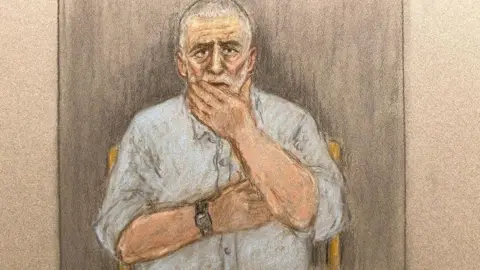
For someone who's lost nearly 40 years of his life because of a crime he didn't commit, Peter Sullivan strikes a unusually positive tone.
In our conversation last month, for what was his initial media appearance since being liberated from prison in May, he was upbeat and eagerly anticipating getting to Anfield to watch Liverpool play for the initial occasion since he was detained in 1986.
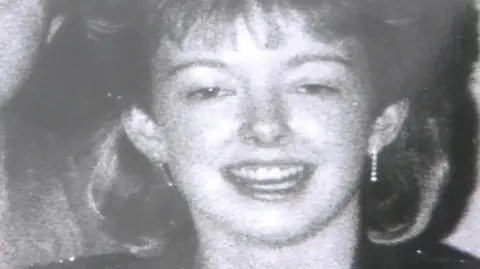
That was the year of the violent killing of Diane Sindall in his local community of Birkenhead - an incident he said he had limited information regarding because someone turned to him in a pub at the time and said, "allegedly there's been a murder".
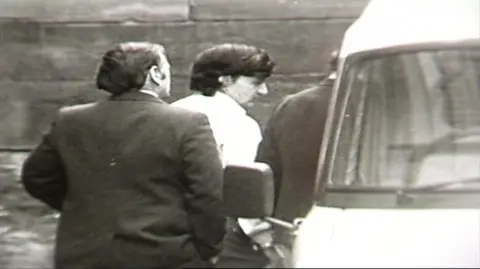
When he was found guilty the following year at Liverpool Crown Court - he was destined to a extended term in some of Britain's highest-security category A prisons where he would be hounded by his tabloid nicknames "Birkenhead's Monster", "River Mersey Murderer" and "The Wolfman".
Adjusting to a Digital World
Before our interview, he was abundant with tales about how since his exoneration he has had to acclimate to a fundamentally altered world.
When he was detained, Margaret Thatcher was in Downing Street, few knew about the internet and Europe was still divided by the Iron Curtain.
He described watching the demolition of the Berlin Wall from a public television in prison.
Mr Sullivan described how trips to the shops now show how "society has evolved" - from trying to figure out how self-checkouts function to realising that "instead of having a cheque book, you've got it on your phone".
Modern Surprises
His confinement means he has been oblivious to the way so many facets of everyday life have transformed - comparable to someone who has been unconscious since the 1980s.
"Having endured so long in prison and discovering there's no DHSS [Department of Health and Social Security, now the Department for Work and Pensions (DWP)] where you can pick up your money - you're thinking, 'Goodness, what's going on here?'"
He now has a digital phone, after discovering doctor's appointments need to be booked on something he now knows is called an 'mobile program'.
He first became knowledgeable about them when he was riding on a bus shortly after his freedom and saw people operating smartphones. He only recognized they were phones when he saw someone put one to their ear.
Psychological Impact
Mr Sullivan's 14,000 days in custody have also led to an unavoidable sense of prison conditioning.
He recalled how after his freedom, one morning in his flat he walked back to his bedroom and sat down on his bed, because he was subconsciously waiting for a prison officer to come and confine him into his cell.
"It's required to be at your door at a designated moment, otherwise the officers will go off at you", he said.
"I remained thinking, 'What am I doing?'"
Seeking Answers
But Mr Sullivan's optimism is tempered by a desire for answers about how he ended up being charged with an notorious murder that he was innocent of, and a perplexity about why he still has not had an admission of error.
"My entire life vanished", he said.
"My liberty was taken, I lost my mother since I've been in prison, I've lost my father.
"It hurts because I couldn't be present for them", he said.
"I can't carry on with my life if I can't get an response off them."
"My only request, an apology [and to understand] the explanation for they've done this to me", he said.
Authorities Position
Merseyside Police said "minimal advantage to be gained for a reassessment of this matter today" because of "advancements to investigative techniques and progress in the law over the last 40 years".
The force did forward some of Mr Sullivan's accusations to the police oversight body, the Independent Office for Police Conduct (IOPC), who will now investigate his claims that officers assaulted him and intimidated to link him to other crimes if he didn't plead guilty to Diane Sindall's murder.
When asked if it would apologise, the force did not clearly address the question, but as part of a comprehensive declaration it said: "The force recognizes that there has been a grave miscarriage of justice in this case".
Moving Forward
Mr Sullivan explained about his simple goal - an ambition that he said he had abandoned expectation of being able to accomplish at some points over his approximately 38 years behind bars.
"My only desire to do now is proceed with my own life and move forward as I was before, and experience freedom now".
His life ahead may be made easier by government monetary award, paid to individuals affected of wrongful convictions.
This system is limited at £1.3m, a maximum which it is believed his eventual payout will get very approach.
But the procedure is not guaranteed, and it is lengthy.
Andrew Malkinson, whose sentence for a rape he was innocent of was dismissed in 2023, was only given an interim compensation payout earlier this year.
Convicted criminals who acknowledge their crimes and are released get a place to live and some assistance for living expenses. Mr Sullivan, as an exonerated person, is not qualified for that help.
And so he is existing a simple existence, with his humble goals - although many believe he is a millionaire in waiting.
His attorney, Sarah Myatt, said "no amount that you could say that would be adequate for sacrificing 38 years of your life".


