

The biggest surprise the film industry has experienced in 2025? The comeback of horror as a main player at the UK box office.
As a category, it has remarkably outperformed past times with a 22% year-on-year increase for the UK and Ireland film earnings: over £83 million this year, versus £68 million the previous year.
“Last year, no horror film reached £10m at the UK or Irish box office. This year, five films have,” comments a cinema revenue expert.
The major successes of the year – Weapons (£11.4m), Sinners (£16.2m), the latest Conjuring installment (£14.98 million) and 28 Years Later (£15.54m) – have all stayed in the cinemas and in the audience's minds.
Although much of the industry commentary focuses on the singular brilliance of renowned filmmakers, their successes point to something shifting between audiences and the category.
“Many have expressed, ‘You should watch this even if horror isn’t your thing,’” says a head of acquisition.
“Films like these play with genre and structure to create something completely different, and that speaks to an audience in a different way.”
But apart from creative value, the steady demand of horror movies this year indicates they are giving cinemagoers something that’s much needed: emotional release.
“Right now, there’s a lot of anger, fear and division that’s being reflected in cinema,” observes a horror podcast host.
“The genre masterfully exploits common anxieties, magnifying them so that everyday stresses fade beside the cinematic horror,” says a prominent scholar of classic monster stories.
In the context of a current events featuring conflict, immigration issues, political shifts, and climate concerns, witches, zombies and vengeful spirits connect in new ways with viewers.
“It’s been noted that vampire cinema thrives during periods of economic hardship,” comments an actress from a recent horror hit.
“This symbolizes the way modern economies can exhaust human spirit.”
Since the early days of cinema, social unrest has influenced the genre.
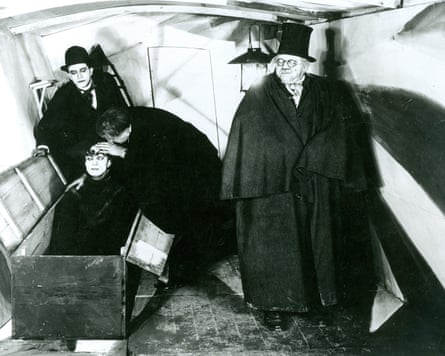
Experts highlight the boom of European artistic movements after the first world war and the chaotic atmosphere of the 1920s Europe, with features such as The Cabinet of Dr Caligari and a pioneering fright film.
Subsequently came the economic crisis of the 30s and classic monster movies.
“Take Dracula: it depicts an Eastern European figure invading Britain, spreading a metaphorical infection that endangers local protagonists,” says a historian.
“So it reflects a lot of anxieties around immigration.”
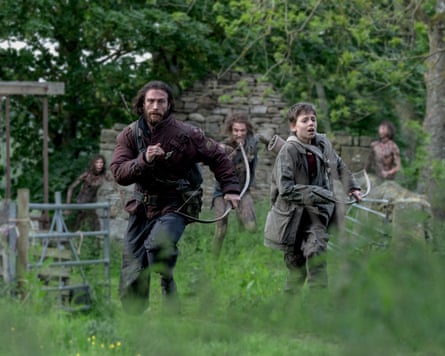
The phantom of immigration inspired the newly launched supernatural tale The Severed Sun.
Its writer-director explains: “I aimed to delve into populist rhetoric. Specifically, calls to restore a mythical past that favored a privileged few.”
“Additionally, the notion that acquaintances might unexpectedly voice extreme views, leaving others shocked.”
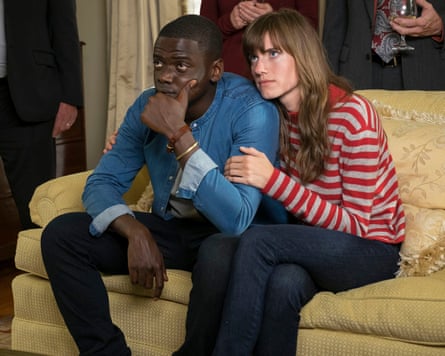
Arguably, the present time of acclaimed, socially switched-on horror commenced with a sharp parody released a year after a contentious political era.
It ushered in a new wave of horror auteurs, including several notable names.
“It was a hugely exciting time,” says a director whose movie about a murderous foetus was one of the era’s tentpole movies.
“I believe it initiated a trend toward eccentric, high-concept horror that aimed for artistic recognition.”
The same filmmaker, who is writing a new horror original, adds: “In the last ten years, public taste has evolved to welcome bolder horror concepts.”
Simultaneously, there has been a reappraisal of the underrated horror works.
Earlier this year, a new cinema opened in the capital, showing obscure movies such as The Greasy Strangler, The Fall of the House of Usher and the modern reinterpretation of Dr Caligari.
The fresh acclaim of this “rough and rowdy” genre is, according to the theater owner, a clear response to the formulaic productions churned out at the cinemas.
“It counters the polished content from big producers. The industry has become blander and more foreseeable. Numerous blockbusters share the same traits,” he states.
“On the other hand, [these indie works] feel imperfect. They seem to burst forth from deep creativity, free from commercial constraints.”
Horror films continue to challenge the norm.
“Horror possesses a dual nature, feeling both classic and current simultaneously,” observes an expert.
Besides the return of the insane researcher motif – with multiple versions of a well-known story on the horizon – he forecasts we will see horror films in 2026 and 2027 addressing our current anxieties: about tech supremacy in the years ahead and “supernatural elements in political spheres”.
At the same time, a religious-themed scare film a forthcoming title – which depicts the events of holy family challenges after Jesus’s birth, and stars famous performers as the divine couple – is planned for launch in the coming months, and will undoubtedly send a ripple through the Christian right in the US.</


